Moving from Mile End to Bow movers checklist
Moving from Mile End to Bow sounds simple on paper. It is only a short East London journey, after all. But anyone who has moved across the area knows the truth: the small details can get you. The parking, the lift bookings, the last-minute box you forgot in the kitchen cupboard, the awkward sofa that seemed fine until moving day. A good Moving from Mile End to Bow movers checklist helps you stay calm, stay organised, and avoid those annoying delays that turn a straightforward move into a long, noisy afternoon.
This guide walks you through the practical side of the move: what to do before moving day, how to prepare your home, what to ask your movers, and how to keep the whole process tidy and predictable. If you are comparing options, you may also want to look at home moves, flat removals, and man and van support depending on the size of your move. For people who like a structured approach, this article is built to be the checklist you can actually use, not just skim and forget.
Let's make this move feel manageable.
Table of Contents
- Why Moving from Mile End to Bow movers checklist Matters
- How Moving from Mile End to Bow movers checklist Works
- Key Benefits and Practical Advantages
- Who This Is For and When It Makes Sense
- Step-by-Step Guidance
- Expert Tips for Better Results
- Common Mistakes to Avoid
- Tools, Resources and Recommendations
- Law, Compliance, Standards, or Best Practice
- Options, Methods, or Comparison Table
- Case Study or Real-World Example
- Practical Checklist
- Conclusion
- Frequently Asked Questions
Why Moving from Mile End to Bow movers checklist Matters
A move between neighbouring East London areas can look easy until the day itself starts moving at full speed. A checklist matters because it turns a messy pile of tasks into a sequence. That sequence helps you think clearly about access, timings, packing, transport, and who is responsible for what.
In a local move like Mile End to Bow, the distance may be short, but the pressure still builds. You might have a fourth-floor flat, a narrow stairwell, a tight loading bay, or a building where the lift must be booked in advance. Missing one detail can slow everything down. And when movers are waiting on the kerb while someone tries to find keys, parking permissions, or the box with the kettle in it, the whole day gets heavier than it needs to be. It happens. More often than people admit.
The checklist also helps you make better decisions when comparing services. For example, a family moving out of a terrace or flat may need house removals and packing help, while a student shifting a few rooms' worth of belongings may only need a student removals option or a small van. Different moves, different needs. That sounds obvious, but many people only realise it once the quotes come in and the boxes are already stacked by the door.
Practical takeaway: a solid moving checklist is not just about remembering tasks. It is about reducing avoidable stress, protecting your belongings, and making sure the move stays on schedule.
How Moving from Mile End to Bow movers checklist Works
Think of the checklist as a timeline. The best versions are split into stages, so you know what to do several weeks before the move, what to tackle in the final few days, and what to leave for moving morning.
For most local moves, the process usually works like this:
- Book the right type of help. Decide whether you need a full removal team, a van service, packing support, or just transport.
- Confirm access details. Check stairs, lifts, parking, height restrictions, and whether anything bulky needs special handling.
- Sort and reduce. Move less if you can. Fewer items means less time, fewer boxes, and less chance of damage.
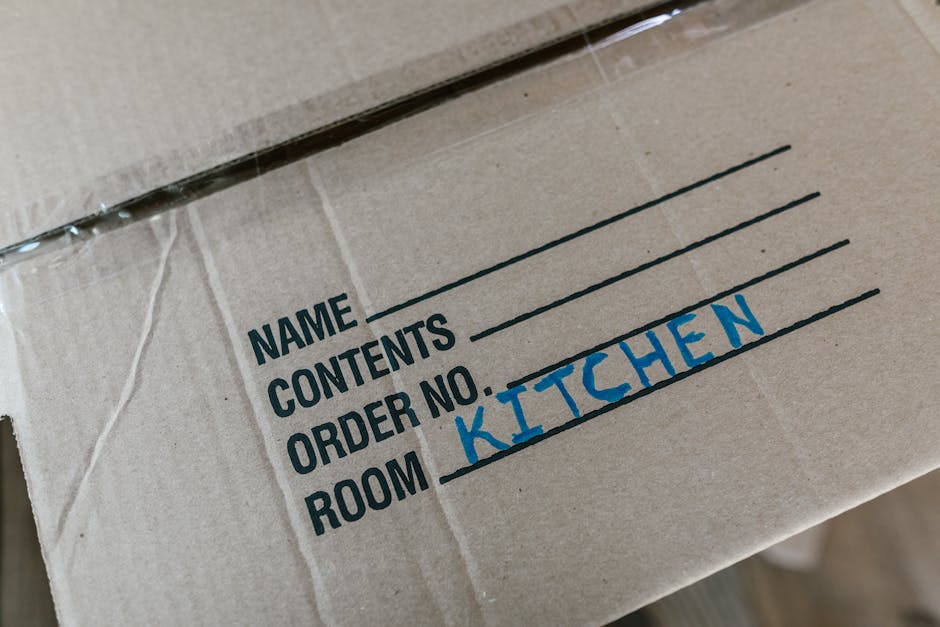
- Pack room by room. Labelling properly saves a lot of head-scratching later.
- Prepare the old and new property. Utilities, keys, meter readings, and cleaning all matter more than people expect.
- Do a final sweep. Check cupboards, loft spaces, behind doors, under beds, and the odd drawer where things quietly disappear.
If you prefer a more hands-off move, services such as packing and unpacking services can take a lot of the strain away. If your move includes awkward or heavy items, you may also want to compare furniture removals with a simple van hire solution. The right choice depends on volume, access, and how much lifting you are comfortable doing yourself.
A checklist works best when it reflects your exact move. A one-bedroom flat and a three-bed family home do not need the same plan. Nor do they deserve the same level of guesswork, to be fair.
Key Benefits and Practical Advantages
There are several good reasons to build your move around a checklist rather than winging it.
Less stress on moving day
When everything has a place on the plan, you are less likely to panic over missing keys, half-packed wardrobes, or a sofa that will not fit through the door. The day still feels busy, but it feels controlled.
Better use of your budget
Even short local moves can become more expensive if they take longer than expected. Clear packing, accessible boxes, and accurate information for the movers all help keep the job efficient. If you are comparing pricing, it is worth reviewing pricing and quotes early rather than waiting until the last minute.
Lower risk of damage
Good preparation protects your belongings and your property. That includes wrapping fragile items, securing drawers, and making sure doors are opened or protected where needed. A chipped wall in a narrow hallway is the sort of thing nobody forgets in a hurry.
More predictable timings
When movers know exactly what they are dealing with, they can plan the right vehicle and enough hands for the job. A small job may suit a removal van, while heavier or larger loads may call for a moving truck or a larger team.
Less waste, better organisation
A checklist usually leads to a cleaner move. You pack only what you need, donate or recycle what you do not, and avoid the classic "Why are we still moving this?" moment when a broken lamp and three old extension leads show up at the front door.
Who This Is For and When It Makes Sense
This checklist is useful for anyone moving from Mile End to Bow, but it is especially helpful if your move includes any of the following:
- a flat with limited access
- a family home with more than a few rooms of furniture
- students moving between rentals or shared houses
- people moving on a tight schedule
- anyone with fragile, bulky, or high-value items
- office or business moves that need less disruption
If you are moving a business rather than a home, the checklist should also include IT equipment, files, desk layouts, and timing around staff availability. In that case, a service such as office removals or broader commercial moves will usually be more appropriate than a standard domestic setup.
For smaller or more flexible moves, man with van support can be a practical middle ground. It is quick, straightforward, and often ideal when you have a modest load and want the move done without fuss.
Truth be told, the best time to use a checklist is before you feel rushed. Once you are already stacking boxes in the hallway, it is a bit late to start asking where the tape is.
Step-by-Step Guidance
Here is a practical way to handle a Mile End to Bow move without missing key details.
1. Confirm your moving date and access
Start with the basics: date, time window, and building access. If you are in a block of flats, check whether the lift needs booking. If parking is awkward, think about where the vehicle will stop and whether you need someone to hold a space. These small details are the difference between a smooth start and a frustrating one.
2. Get clear on what is moving
Walk through each room and make a rough inventory. You do not need a spreadsheet worthy of an accountant, but you do need a realistic picture of what is going. This is especially useful if you have items that need extra care, such as mirrors, artwork, appliances, or a piano. For a more specialised move, piano removals is the safer choice than improvising with a few strong friends and a prayer.
3. Declutter before you pack
Moving is the easiest time to let go of things that have quietly become clutter. Broken hangers, old charging cables, duplicate cookware, the mystery jar at the back of the cupboard - all of it. If it is not worth carrying across East London, it is probably not worth packing.
4. Choose your packing approach
You can pack everything yourself, use a partial packing service, or hand over the lot. For people short on time, packing and boxes support can make a big difference because the right materials matter. Thin supermarket boxes tend to fail at the worst possible moment, usually on a stairwell.
5. Label every box properly
Write the room and a short description on each box. "Kitchen - pans" is better than "misc". "Bedroom - winter clothes" is better than "stuff". Be specific, but keep it readable. Future-you will be grateful when you are half-tired and looking for bed linen at 9:30 in the evening.
6. Protect the property
Use door protectors, floor covers, or simple blankets where needed. If you are using a professional team, ask how they handle property protection and awkward access. Good movers will know how to manage corners, bannisters, and tight entryways without turning your walls into a marked-up map of regret.
7. Prepare an essentials bag
Keep a small bag or box with chargers, medication, important documents, snacks, a kettle if you are feeling ambitious, toilet paper, basic toiletries, and a change of clothes. This is the box you will want first when you arrive and everything else is still stacked in the front room.
8. Do a final check before leaving
Open every cupboard. Check every drawer. Look behind doors, under sinks, in loft spaces, on balconies, and inside the washing machine. It sounds obvious, but the number of people who leave the key documents in a bedside drawer says otherwise.
Expert Tips for Better Results
These are the small things that tend to make a move feel easier, faster, and less chaotic.
- Book earlier than you think you need to. Good movers get busy, especially around weekends and month-end.
- Give accurate access details. Mention stairs, lift size, parking constraints, and any long carries.
- Separate essentials from storage items. What you need on day one should not disappear into a random box tower.
- Disassemble furniture in advance if appropriate. Beds, tables, and large shelving units often move better in pieces.
- Keep valuables with you. Passports, jewellery, hard drives, and sensitive papers are better in your own care.
- Photograph cable setups. It saves time later. A tiny thing, but genuinely useful.
If you want one local-minded tip, here it is: plan around your building, not just your street. In East London, the building layout can be more important than the postcode. One block has a roomy lift. Another has a staircase that seems designed by someone with a grudge.
Also, do not overload boxes just because you can lift them. A box that looks "fine" can become extremely rude on the second flight of stairs.
Common Mistakes to Avoid
Most moving problems are not dramatic. They are just preventable. That is what makes them annoying.
- Leaving packing too late. Last-minute packing leads to broken items and poor labelling.
- Underestimating volume. People often have more belongings than they remember.
- Forgetting access details. A blocked entrance or no parking plan can add a lot of wasted time.
- Not checking what the service includes. Some jobs only cover transport. Others include loading, unloading, or packing support.
- Skipping insurance questions. Make sure you understand what is covered and what is not. A quick read of insurance and safety information is worthwhile.
- Not setting aside cleaning time. Even a small flat benefits from a proper final clean.
Another easy mistake is forgetting disposal. If you are replacing furniture, think about whether old items need to be moved, stored, or collected separately. Services like furniture pick up can help reduce clutter before the move, which makes the rest of the day much easier.
Tools, Resources and Recommendations
You do not need a mountain of gear, but the right basics make a real difference.
- strong cardboard boxes in mixed sizes
- packing tape and a tape dispenser
- marker pens and labels
- bubble wrap or paper for fragile items
- bags for soft items and bedding
- furniture blankets or protective covers
- a simple moving day folder for keys, contacts, and documents
If you are trying to keep the job straightforward, a professional removal services provider can often advise on the right vehicle and handling plan. If you want flexibility without overcommitting, man with a van support is often practical for smaller loads and quicker turns.
For people who need somewhere temporary for overflow items, storage can be useful when move-in and move-out dates do not line up neatly. That gap between properties is common enough, and it can be a relief to have a backup plan rather than stuffing everything into a relative's spare room.
If you prefer a fully organised service, packing and unpacking services can take the pressure off both ends of the move. It is especially helpful when time is tight or when you are juggling work, children, or a close deadline. That sort of support can be the difference between "almost there" and genuinely settled.
Law, Compliance, Standards, or Best Practice
For most household moves, the main compliance concerns are practical rather than complicated. You are mainly looking at safety, insurance, access, and fair treatment of property. If a removal company is handling goods, it should work in line with sensible professional standards: careful lifting, secure loading, clear communication, and appropriate insurance cover.
In the UK, it is also normal to expect movers to follow good health and safety practice. That does not mean every move needs a formal report. It does mean the team should handle heavy items sensibly, reduce trip hazards, and take care around shared areas such as stairwells, corridors, and entrances. If you want to understand how a provider approaches this, a page like health and safety policy should give you a clearer sense of their working standards.
For business removals, compliance becomes a bit more involved because you may be dealing with data, equipment, staff access, and the need to reduce downtime. In those cases, planning matters as much as lifting technique. A careful move is usually a better move. Simple as that.
Options, Methods, or Comparison Table
Choosing the right moving method depends on how much you are moving, how much help you want, and how much time you have.
| Option | Best for | Strengths | Watch-outs |
|---|---|---|---|
| Full home removal team | Family homes, larger flats, busy schedules | Most support, less heavy lifting, usually more efficient | Often costs more than a basic van service |
| Man and van | Small to medium local moves | Flexible, practical, often cost-effective | May not suit very large loads or specialist items |
| Packing plus transport | People short on time | Reduces stress, improves speed and organisation | Needs early booking and clear instructions |
| Self-pack with removals support | Budget-aware movers with time to prepare | Good balance of control and convenience | Requires discipline and realistic planning |
| Storage-first approach | Gaps between tenancies or phased moves | Useful when dates do not align neatly | Extra handling and extra planning required |
For students, a smaller flexible service can be enough. For a house move with furniture, appliances, and several rooms' worth of belongings, a more structured house removals plan is usually the safer call. There is no one-size-fits-all answer here. The right option is the one that matches your real load, not the one that sounds best at first glance.
Case Study or Real-World Example
Imagine a couple moving from a Mile End flat into a Bow apartment with a slightly awkward entrance and a lift booking window in the middle of the morning. Nothing dramatic, but enough to make planning worthwhile.
They start two weeks out. First, they sort through their belongings and remove what they do not want to keep. Then they pack non-essentials, label boxes by room, and put fragile items together instead of scattering them across random bags. They book a local team and mention the lift restriction, the parking situation, and the long carry from the vehicle to the building entrance. That last part matters more than most people expect.
On moving day, the movers arrive with the right vehicle, the boxes are ready, and the essentials bag stays with the couple. There is still noise, tape, and the usual shuffle of shoes on hard flooring, but no panic. The kettle is found quickly. The bed goes together that evening. By the next morning, the move already feels finished rather than half-stuck in limbo.
That is the real value of the checklist. Not perfection. Just a move that feels under control.
Practical Checklist
Use this as your working checklist for a move from Mile End to Bow. Print it, copy it, or keep it on your phone. Whatever works.
- Confirm moving date, time, and access arrangements
- Check parking, lift bookings, and any building rules
- Decide what is being moved and what can be sold, donated, or recycled
- Choose the right moving service for the size of the job
- Request a quote with accurate property and access details
- Book packing materials or support if needed
- Pack room by room and label every box clearly
- Protect fragile items and disassemble large furniture where sensible
- Arrange utilities, address changes, and key handover details
- Set aside documents, chargers, medication, and valuables
- Prepare a first-night essentials bag
- Clean both properties where required
- Take meter readings and photos if useful
- Do a final sweep of every room, cupboard, and storage space
- Confirm nothing is left in the van, lift, hallway, or boot area
Quick summary: the more you prepare before moving day, the more likely your move from Mile End to Bow will feel calm, efficient, and pleasantly ordinary. That is the goal really.
If you are ready to compare options or want help planning the move properly, take a look at the available local services and choose the setup that fits your home, your timeline, and your budget.
Get a free quote today and see how much you can save.
Conclusion
A move between Mile End and Bow should not be more stressful than it needs to be. With the right checklist, a realistic packing plan, and a mover who understands local access issues, the whole process becomes far more manageable. You do not need a flawless day. You just need a well-prepared one.
Focus on the practical steps, keep your essentials close, and make decisions early rather than late. It is a small thing, but it makes a big difference. And once the last box is in the right room and the kettle is on, the rest starts to settle quite naturally.
Good planning has a quiet kind of power. It lets the day breathe.
Frequently Asked Questions
What should be on a Moving from Mile End to Bow movers checklist?
Your checklist should cover booking the move, checking access and parking, packing room by room, labelling boxes, preparing an essentials bag, confirming utilities, and doing a final walk-through before you leave.
How far in advance should I book movers for a move from Mile End to Bow?
As early as you can, especially if you want a weekend slot or are moving near the end of the month. A bit of notice usually gives you better choice and less stress.
Is a man and van enough for a local move in East London?
Sometimes, yes. If you are moving a small flat or only a few items, a man and van or similar flexible service may be enough. For larger homes, a fuller removals setup is usually better.
Do I need packing help or can I do it myself?
You can absolutely pack yourself if you have time and materials. Packing help is worth considering if you are busy, moving quickly, or have fragile items that need a more careful approach.
What if my move involves heavy furniture or awkward items?
Let the movers know in advance. Bulky pieces, pianos, and unusually heavy furniture may need specialist handling. It is better to be clear early than to improvise on the day.
How can I reduce the cost of my move?
Declutter before packing, prepare everything properly, and give accurate details when asking for a quote. The fewer surprises on the day, the more efficient the move tends to be.
What should I keep with me instead of putting in the van?
Keep documents, jewellery, medication, keys, chargers, cash, and any truly personal valuables with you. An essentials bag is very handy for the first night too.
Do movers help with dismantling furniture?
Some do, some do not. Always check what is included before booking. If you have beds, wardrobes, or shelving that may need dismantling, mention it early.
What happens if there is no parking outside my property?
Tell the mover before moving day. They can advise on the best plan, whether that means timing, vehicle choice, or a different loading arrangement. Parking is one of those details that sounds minor until it suddenly is not.
Should I arrange storage if my dates do not line up?
If there is a gap between moving out and moving in, storage can be a very sensible option. It keeps the move from becoming awkward or rushed. That bit of breathing room can be a lifesaver, honestly.
Are there any safety points I should check before hiring movers?
Yes. Ask about insurance, handling procedures, and how the team deals with stairs, tight access, and heavy items. You can also review a company's health and safety approach to see how seriously it takes safe working.
What is the biggest mistake people make when moving from Mile End to Bow?
Underestimating the small stuff. Access, labelling, parking, and packing order all matter more than they seem to at the start. Get those right and the move feels far less chaotic.